
How to Choose Stadium Seating: A Guide to Comfort, Durability, and Fan Experience
2025-10-13

The right stadium seating isn’t just about filling seats—it’s about elevating fan experience, maximizing venue capacity, and ensuring long-term value for your facility. Whether you’re upgrading a community sports complex or outfitting a professional arena, the seating you select impacts everything from ticket sales to maintenance costs. Here’s what you need to know to make an informed decision.
Key Considerations for Stadium Seating Selection
Comfort That Keeps Fans Engaged
Fans stay longer and return more often when seating prioritizes comfort. Look for designs with ergonomic backrests (typically 18–22 inches tall) that provide lumbar support during extended games or events. Seat depth (16–18 inches) matters too—too shallow and fans feel cramped, too deep and they struggle to stand quickly for celebrations.
Cushioning is another critical factor. For outdoor stadiums, moisture-resistant foam wrapped in UV-protected vinyl prevents mold growth and fading. Indoor venues might opt for plush polyester blends that balance softness with durability. Don’t overlook seat width: 19–22 inches is standard for general admission, while premium sections benefit from 24+ inch seats for luxury.
Durability for High-Traffic Environments
Stadiums see thousands of users annually, so seating must withstand heavy wear, weather, and occasional rough handling. Materials make all the difference:
- Polypropylene (PP) seats: Lightweight, impact-resistant, and ideal for outdoor use thanks to excellent UV and water resistance.
- High-Density Polyethylene (HDPE): Even more durable than PP, with superior scratch resistance—perfect for professional venues with year-round events.
- Aluminum frames: Corrosion-resistant and strong enough to support repeated use, while steel frames (with powder-coat finishes) offer maximum stability for upper-deck seating.
Look for seats tested to meet industry standards, such as ASTM F2506 for structural integrity, to avoid premature replacements.
Space Efficiency & Accessibility
Balancing capacity with safety is non-negotiable. ADA-compliant seating is a legal requirement in most regions, so ensure your selection includes wheelchair-accessible rows with companion seating and clear pathways (minimum 36 inches wide) between sections.
For general seating, consider fold-down designs to save space during non-event hours or retractable bleachers that allow flexible use of the venue. Seat pitch (the distance between rows) should be 30–34 inches to give fans room to move without disrupting neighbors.
Aesthetics & Brand Alignment
Seating is a visible part of your venue’s identity. Customization options like team colors, logos, or even branded seat backs turn functional seating into a marketing tool. For example, alternating team colors in section rows creates a visually striking effect for TV broadcasts and fan photos.
Maintenance Tips to Extend Seating Lifespan
- Outdoor seating: Clean quarterly with mild soap and water; inspect for cracked frames or faded upholstery annually.
- Indoor seating: Vacuum fabric cushions monthly and treat stains immediately with non-abrasive cleaners.
- Metal components: Lubricate hinges on fold-down seats twice a year to prevent rust and squeaking.
Investing in quality stadium seating pays off—fans notice the difference, and reduced replacement costs boost your bottom line over time. Whether you’re focused on budget, luxury, or versatility, prioritizing comfort, durability, and accessibility ensures your seating enhances your venue’s reputation.
Wooden Slat Retractable Bleachers: The Perfect Blend of Classic Style and Flexible Functionality for Every Venue
Pickleball Courts: The Ultimate Guide to Design, Materials, and Installation for Commercial & Recreational Use
Related Article
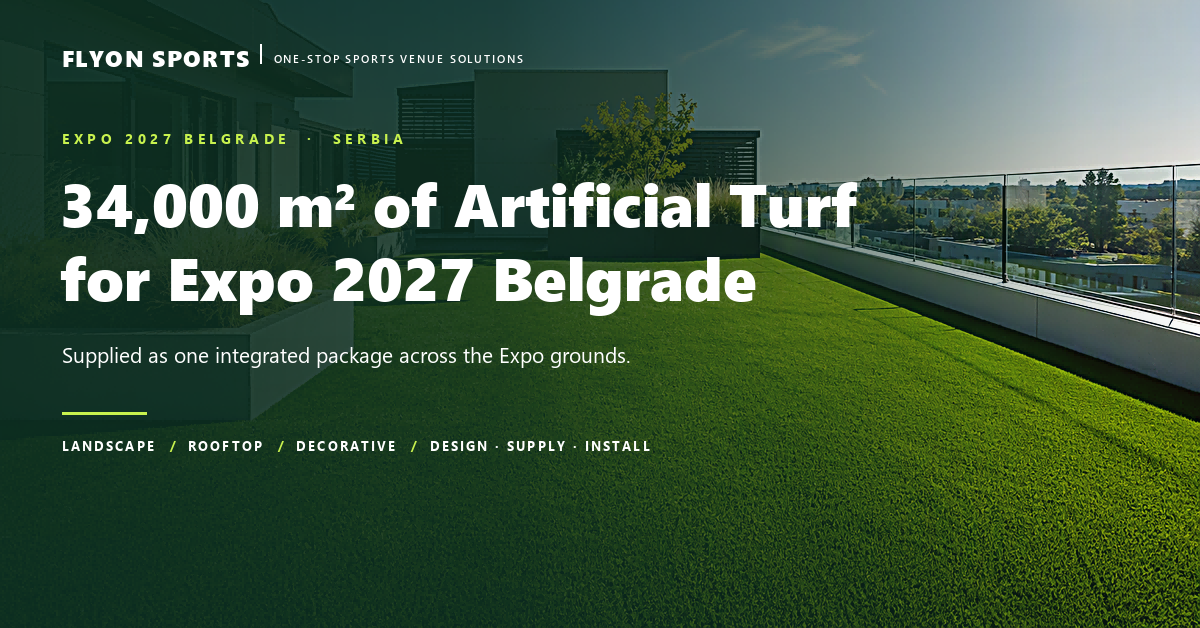
Shenzhen-based venue solutions supplier delivers landscape, rooftop and decorative turf across the Expo grounds as one integrated design–supply–install package.
Flyon Sports Confirms 34,000 m² Artificial Turf Package for Expo 2027 Belgrade

Semi-Prefabricated Running Track: Structure, Benefits & Buying Guide Meta description: What is a semi-prefabricated running track? How the factory-made rubber base and sprayed PU wear layer work, how it compares with cast-in-place systems, and what to specify.
Semi-Prefabricated Running Tracks: Structure, Benefits and How to Choose
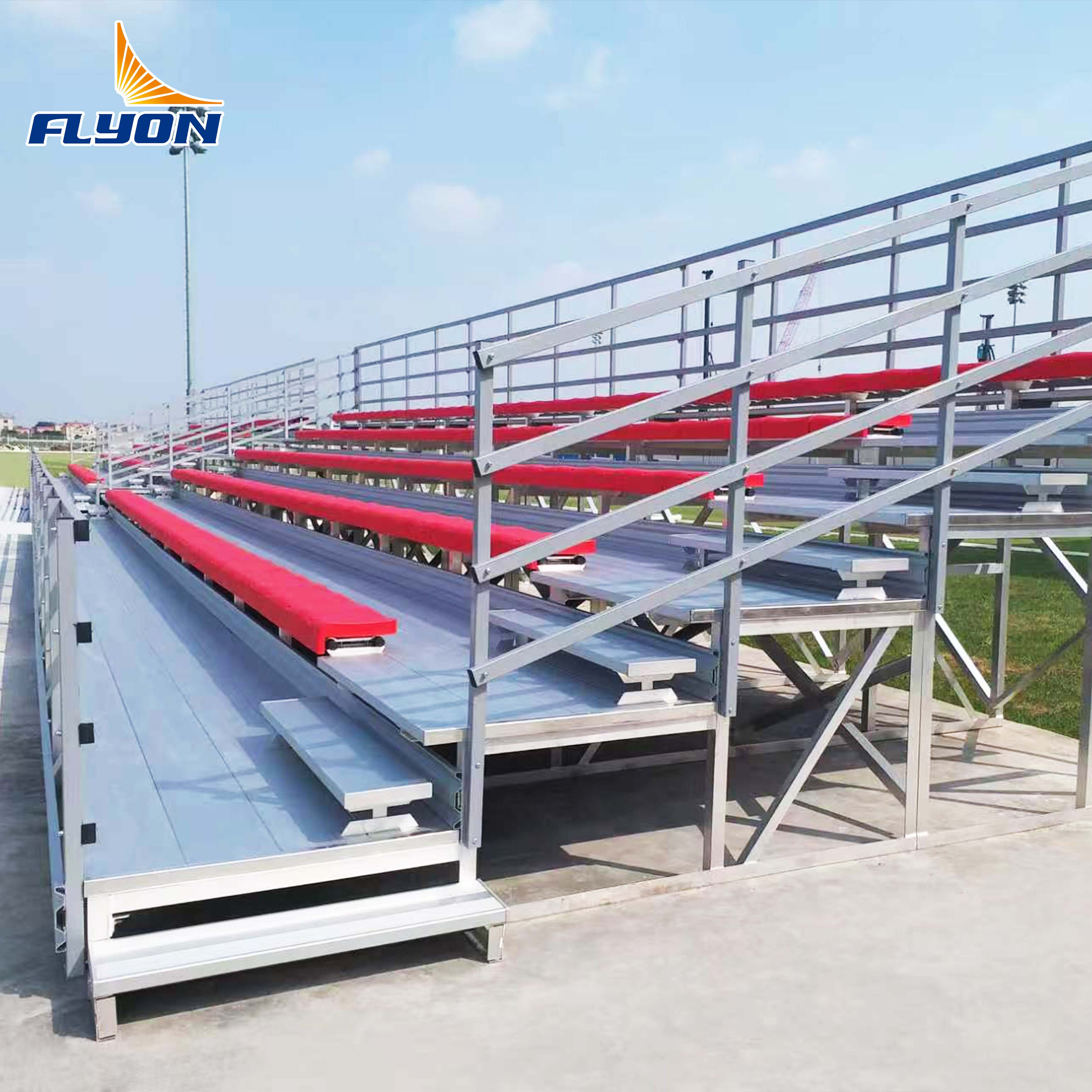
Not every venue needs a 30-row stadium bowl. Schools, training centers, community grounds and indoor arenas need something leaner: seating that goes up quickly, sits lightly on the ground, and still looks and performs like a proper grandstand. That is the job of the angle steel grandstand.
Angle Steel Grandstand: Lightweight Seating That Works Where Heavier Frames Can't